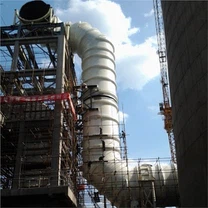
For more than 20 years, QuakeWrap Inc. of Tucson, Ariz., has been developing an infrastructure repair solution using fiber-reinforced polymer materials. The company's large-diameter composite pipe, "StifPipe," is currently being installed in Detroit, Michigan as part of the city's latest sewage infrastructure project. The FRP pipe is 16 feet (4.87 meters) in diameter.
QuakeWrap first launched StifPipe in 2016, when it won the American Society of Civil Engineers Innovation Award. Since then, StifPipe has been used in apps worldwide, from Puerto Rico to Australia, but none of the previous projects have used StifPipe on the scale of the Detroit app. The pipe installed in Detroit is 16 feet in diameter and only 2 inches (5.08 cm) thick.
The pipe is known to have the highest specific strength of any pipe on the market, which makes it extremely light and does not corrode. Compare the use of thicker wall linings made of weaker materials, which tend to lose hydraulic capacity (the optimal flow rate of waste water). This can be deadly, especially if large amounts of liquid or water need to be transported.
The walls of the StifPipe are made up of 12 layers of material -- four layers of carbon fiber, six layers of glass fiber, and two layers of proprietary core material. The two-inch-thick material supports a pipe big enough to fit the fuselage of a Boeing 737, with a four-foot gap. For a concrete pipe of the same diameter to be of comparable strength, it must be about 18 inches thick.
A 2019 inspection targeted a portion of the area's pipes, which carry sewage from a large Detroit pumping station. The sewer district decided to trim the 17.5-foot diameter pipe after finding aging sections that needed repair. The pipes carry more than half of Detroit's wastewater, so they cannot be permanently shut down while the pipes are repaved. Instead, the sewage can only be temporarily turned off for part of the day. That didn't leave enough time to fix the pipe, so team members looked for pipe technology that could be manufactured and assembled above ground, then put it into the sewage system and installed using the sliplining process.
According to QuakeWrap, one of the main advantages of StifPipe is its relative lightness, which makes installation easier. It weighs about 450-500 pounds per foot, about 10% of the weight of concrete and steel and less than 25% of the weight of a factory-made fiberglass sandwich pipe. This is favored by contractors during construction.
Of the three technologies in the project, StifPipe is the second to be installed. During the day, the original pipe was temporarily shut down. The contractor piped the replacement pipes into place through underground channels, then aligned them end-to-end with the original pipes. StifPipe's lightweight design does not even require jack equipment for installation. After the StifPipe was loaded in place in sections, the annular space between the 16-foot diameter StifPipe and the 17.5-foot diameter original pipe was filled with lightweight concrete. In the evening, the piping system was turned back on and sewage flowed out of the pump station overnight.
The lightweight nature of the StifPipe also has advantages during transportation. Manufactured on site mandrels, they are shipped to Detroit in low-clearance trailers, two at a time. When the pipe length is kept at 14 feet and the ends are stacked on top of each other, both pipes can be mounted on trailers at the same time while still maintaining adequate clearance for the 15.5-foot bridge and overpass. The Detroit project used a total of 13 such pipes.
Although the use of StifPipe currently requires components to be manufactured on site and transported to the installation location, StifPipe can also be manufactured and installed on site using the wet layup method. In a project in Minneapolis, StifPipe material is transported through a standard manhole into a tunnel 100 feet deep. Then, it was laid and cured to form a 12-foot diameter repair pipe.
In a separate project at Marine Corps Base Lejeune in Jacksonville, North Carolina, the material used for StifPipe is wrapped around the outside of an existing pipe and cured on site. QuakeWrap is currently working with the U.S. Department of Transportation on an oil and gas pipeline repair project in which another carbon fiber and glass fiber composite product called SuperLaminate will be inflated like a balloon in an oil pipeline and installed several miles away.